Coming Soon!

In the Year of the Rabbit, sequel to award-winning Big Buddha Bicycle Race, will be released on Amazon by Silkworm Book on October 15, 2021, preorders available on September 15, 2021.

IN THE YEAR OF THE RABBIT

Terence A. Harkin

Cameraman Brendan Leary survived the ambush of the Big Buddha Bicycle Race—but Tukada, his star-crossed lover, did not. Leary returns to combat, flying night operations over the mountains of Laos, too numb to notice that Pawnsiri, one of his adult-school students, is courting him. When his gunship is shot down, he survives again, hiking out of the jungle with Harley Baker, the guitar-playing door ++gunner he loves and hates. Leary is discharged but remains in Thailand, ordaining as a Buddhist monk and embarking on a pilgrimage through the wastelands of Laos, haunted by what Thais call pii tai hong—the restless, unhappy ghosts of his doomed crewmates.

     Year of the Rabbit, a story of healing and redemption, honors three groups missing from accounts of the Vietnam War—the air commandos who risked death flying night after night over the Ho Chi Minh Trail, the active-duty airmen who risked prison by joining the GI antiwar movement, and the people of neutral Laos, whose lives and country were devastated.

“Terence A. Harkin makes a strong, significant, even surprisingly unique contribution to the large body of fiction that has emerged from the Vietnam War. For anyone who wishes to fully examine that most emblematic of American wars, In the Year of the Rabbit is essential reading.” —Robert Olen Butler, Pulitzer-winning author of Good Scent from a Strange Mountain

TERENCE A. HARKIN was awarded the 2020 Silver Medal in Literary Fiction from the Military Writers Society of America for his debut novel, The Big Buddha Bicycle Race. During the Vietnam War he served with the “Rat Pack,” the USAF photo unit operating out of Ubon, Thailand, before going on to a long career as a Hollywood cameraman (M*A*S*H, From Here to Eternity, Seinfeld). He has returned often to Thailand and Laos.

Proud to Announce!

The Big Buddha Bicycle Race was honored
by the Military Writers Society of America
with a Silver Medal in Literary Fiction in September of 2020

“A brilliant companion to the most iconic depictions of life in a war zone, including Joseph Heller’s Catch-22, Robert Altman’s film M*A*S*H, and Barry Levinson’s Good Morning, Vietnam. It depicts the sharply drawn characters, daily work drudgery, combat tragedies, political posturing, and the social upheaval of Americans in Southeast Asia in the heady days before the fall.”

Daniel Charles Ross, Military Writers Society of America (April 2020) 

https://www.mwsadispatches.com/library/2020/the-big-buddha

THAI CASHIERS ARE PROTECTED

Image may contain: one or more people
(Author photo)
Image may contain: one or more people
(Author photo)

If Thailand can get masks, face shields, gloves, hand-sanitizer to every cashier in the country, how can the richest country in the history of the world let any of its front-line Covid-19 workers go unprotected? Just askin’…

A STUPID IDEA WHOSE TIME HAS COME

As the US Death Toll Threatens to Reach 200,000

This was done much better on YouTube by a nurse, but anyone with a paper towel, two rubber bands and two staples can make a mask that is better than nothing because:

1. it keeps you from spreading germs if you cough
2. it keeps you from touching your face and infecting yourself
3. MOST IMPORTANT–it frees up N95 masks to go to the front lines–like my daughter’s colleague at Mt Sinai, the first nurse to die in NYC, a supervisor who didn’t have enough masks on hand to wear one himself.

(Author photo)

From today's NY Times: Wear a Mask

Times science reporter Donald G. McNeil Jr. spoke to a dozen leading epidemic-fighting experts. Whether or not masks protect healthy people is still being debated, but to remove the stigma from sick people who definitely need to mask up, EVERYONE should have to wear a mask in public.
The lesson from Asia, the experts told Mr. McNeil, is that by making masks mandatory for everybody, then the sick automatically have one on, and there is no stigma attached. “The Asian approach is less about data than it is about crowd psychology,” he writes.

A recent Boston Globe editorial points out that wearing a mask has the additional benefit of preventing us from touching our face, something humans do instinctively every couple of minutes.

Meanwhile, Thailand errs on the side of caution
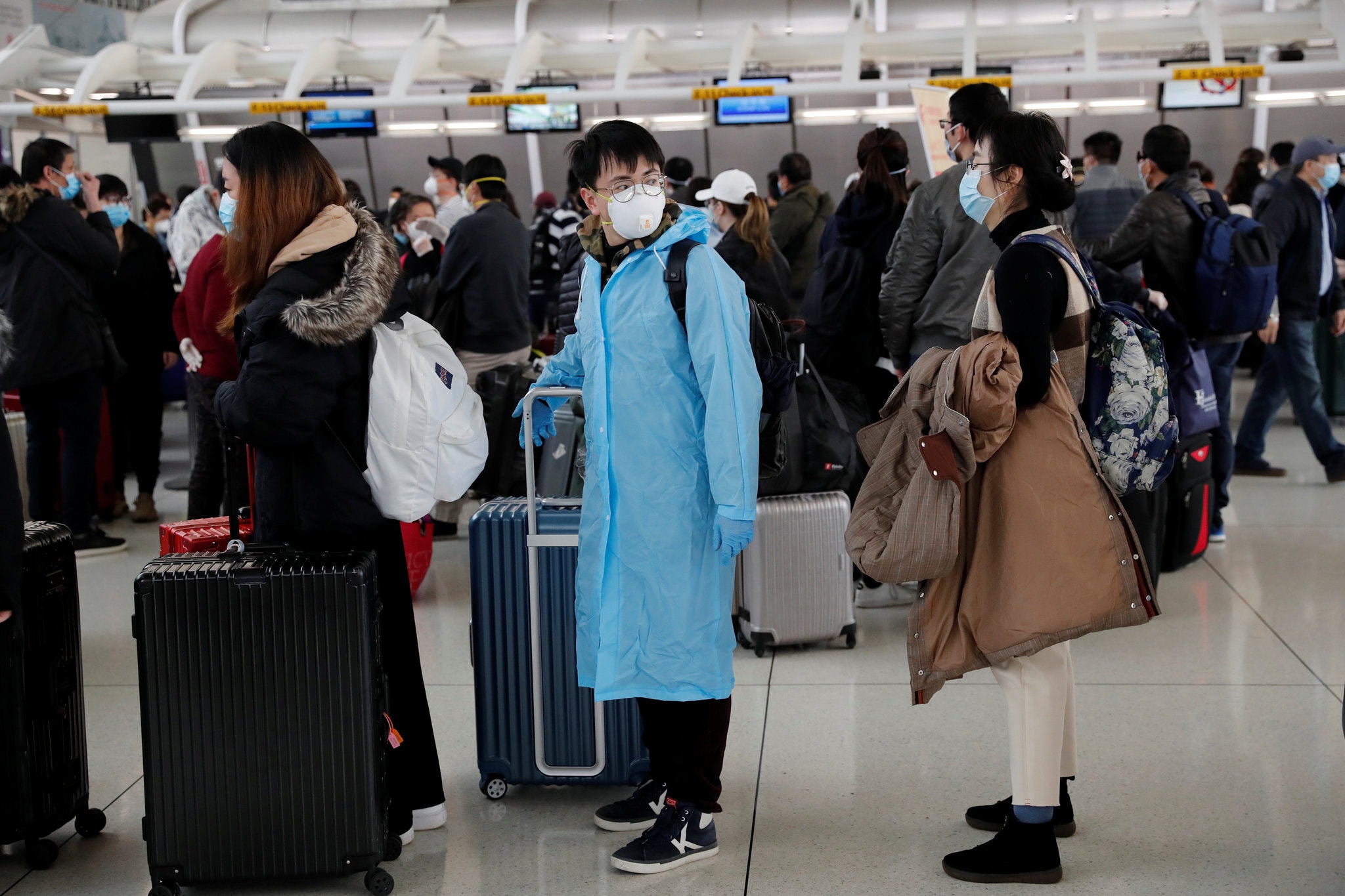
Image may contain: indoor
(Author photo: Central Festival Chiang Mai, 5:00 PM, Monday, March 23, one hour before lockdown begins)


In Thailand–where there have only been four reported deaths out 700 cases in a country of 70 million and with frequent tourist and business travel to and from China–the government has acted on the side of caution and locked down the country for three weeks. Like Italy, not easy for an exuberant, sociable society used to gathering in cafes and coffee houses…

DO Don Face Masks!

My posts of two days ago are being backed up by responsible public health experts, according to today’s Yahoo News. Because you SHOULD get out for fresh air, sunshine, and exercise if you do it responsibly…

https://www.yahoo.com/news/masks-respirators-and-coronavirus-catching-up-to-the-changing-advice-222618518.html

Masks, respirators and coronavirus:
Keeping up with changing advice–
As state and federal officials continue to ramp up efforts to control the outbreak of coronavirus in the United States, new information about the virus is raising new questions about the official messaging on the use of face masks.

Out of stock? How they are handling it in Thailand—turning clothing factories into mask factories!

Workers check masks at a factory in Nonthaburi’s Pak Kret district. (Photo by Pattarapong Chatpattarasill)

Face Masks–to don or not to don?

(from a post with my Brown Class of ’68 page)

My current rant–because we are in the right age range–about face masks.
I chose to postpone my flight from Chiang Mai, Thailand, to JFK two weeks ago, partly because it was on Korean Air with a change of planes in Seoul, but largely because the US government looked woefully unprepared and was giving advice about wearing face masks that I believe is DEAD WRONG.
Despite huge tourist and business traffic between China and Thailand, there has only been a single reported death (by a smoker in his sixties with other health issues). The Thai government is corrupt and self-serving, but they turned Covid-19 over to medical experts, and as the medical faculty at Chiang Mai University advised my expat group a few weeks ago, people here DO wear N95, PM2.5 or similar masks. If they wear simple surgical masks, they dispose of them daily. What makes this admirable is that no people on the planet are my style-conscious than Thais.
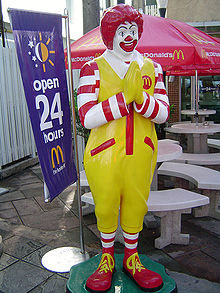
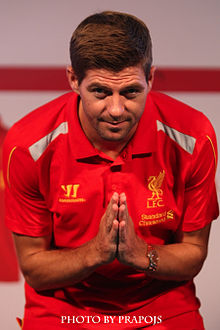
It also helps the we “wai”–the Thai equivalent of “namaste”–instead of shaking hands. 

Image may contain: 3 people, people standing

Why Not Wai in the Time of Covid-19?


A recent note I sent to Bangkok Post columnist (and former Sports Editor) Roger Crutchley:

Dear Roger–

You mentioned wais and namastes in another column. In the US, aside from stuffy Washington, D.C. and among oligarchs like Trump, the wai and namaste gestures are not that unusual–in yoga studios around the country and at the end of countless performances by musicians, whether they be rock, jazz or classical.

I would hope that Thais “get it” that in times like these they have something to offer the entire world (and perhaps a reason Covid-19 has not flourished here) and that perhaps the normal etiquette–who goes first, how high or low the hands are held–can be waived for now.

Best–
Terence A. Harkin
Author, The Big Buddha Bicycle Race
Occasional blogger, Curmudgeon in the Land of Smiles